






Where does this need to raise prices come from?
Of course, the purchasing power of money as a whole is falling, which forces us to spend more on internal and external production costs, but the main reason is the sharp increase in the cost of materials for manufacturing products.For example, from April 2025 to the current moment (19 December 2025), that is, over 9 months, the cost of silver increased by 137%, and the cost of gold over the same period by 47%, which invariably significantly increased the cost of production.
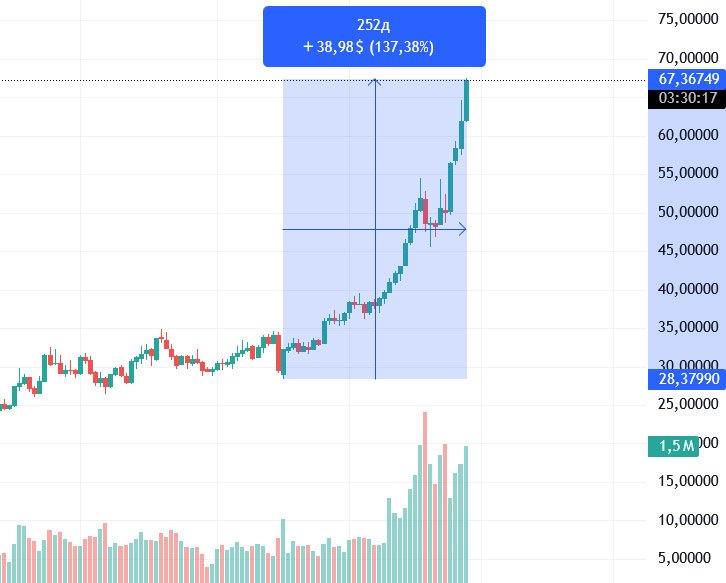
Silver : Apr 2025 - Dec 2025 (+ 137%)
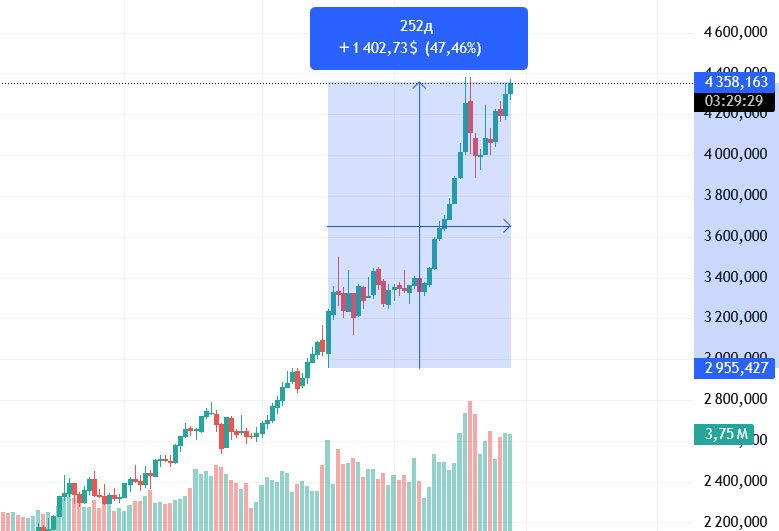
Gold : Apr 2025 - Dec 2025 (+ 47%)
All precious metal prices are directly correlated , one way or another , with prices on the world's major exchanges. If exchange prices change, then the prices of physical silver and gold from suppliers naturally follow suit.
What triggered such a strong rise in prices for precious metals, and silver in particular?
It's clear to everyone that the global situation is quite tense and complex, and during such crises, people tend to accumulate more reliable assets, including precious metals. While gold was previously the main asset to buy (it has risen 170% since November 2022, or exactly three years), silver has taken over in the last six months of the year, sharply outpacing gold's growth. Gold is already significantly overvalued, and not everyone can afford it, while silver has risen 285 % .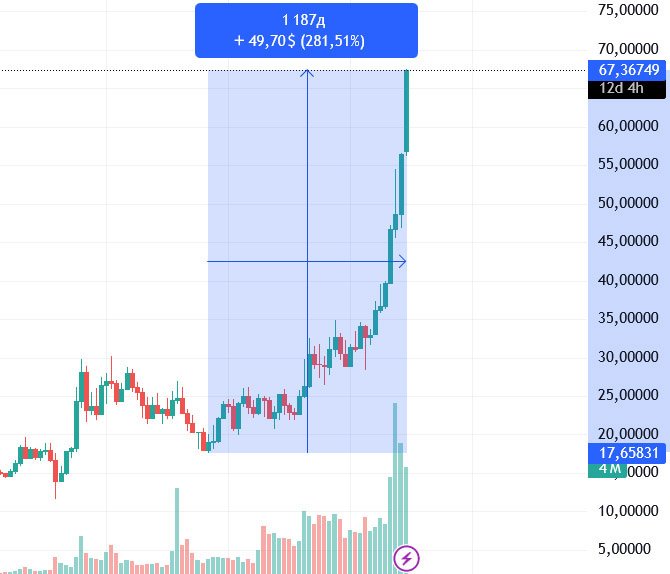
Silver : Nov 2022 - Dec 2025 (+285%)
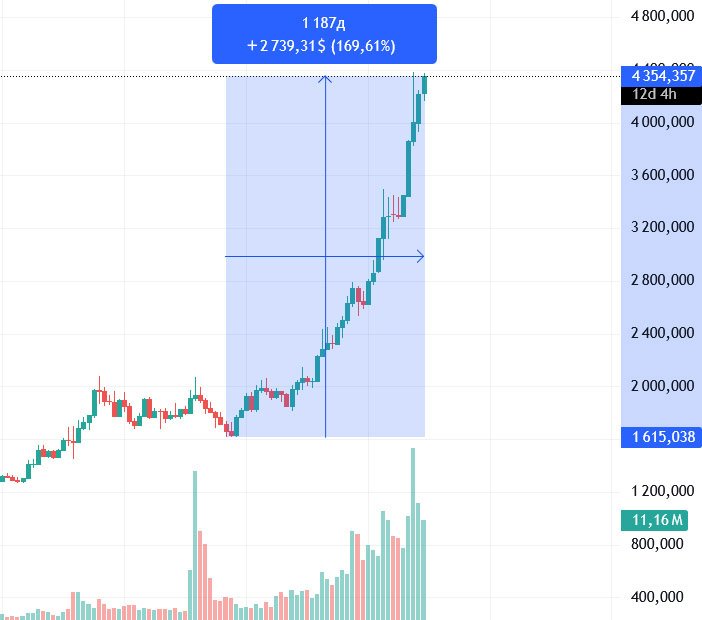
Gold : Nov 2022 - Dec 2025 (+ 170%)
What to expect next? Will there be further growth, or, as is often the case in history, will we see a collapse in prices?
Any price rises only when there are new buyers, so for buyers to buy, new inflows of money are needed. Will these inflows occur? The current global financial system is structured such that all state banks in absolutely every country are tied primarily to the US dollar (and to a lesser extent, the euro, yuan, and yen). This means that new injections into the economy are made only when certain reserve currencies are available. Typically, countries obtain dollars by borrowing from a financial institution such as the Federal Reserve System (the US Federal Reserve System), or by selling or leasing their property, resources, and territory to financial institutions, countries, and corporations for the required currency. Only after reserves are in place do injections into the economy begin, creating new jobs and, consequently, improving the solvency of the population, which leads to rising prices for movable and immovable property and risky assets .On December 12, 2025, the United States began implementing so-called QE (quantitative easing), which provides more favorable terms for borrowing (lowering the key interest rate) and launches the issuance of a new currency—literally, printing new money—to finance the most critical and vulnerable sectors of the economy. These two factors will impact economies worldwide; this new money reaches ordinary people within approximately 3-6 months from the moment of issuance, indicating a likely increase in the average solvency of the population.
So will precious metals prices decline?
Looking at the chart, one can say yes, there are clear signs of overbought conditions with large volumes. But looking at the global situation, one can say no, as measures are being taken to inject new currency, as well as a significant increase in demand for silver and gold in manufacturing. In particular, large volumes of silver are being purchased by solar panel manufacturers, where it is actively used, which also leads to an increase in price.